
IWD Spotlight: Beyond her Desk - How Chizurum is uplifting young women
For many women, impact doesn’t stop when the workday ends. Beyond meetings, projects, and professional responsibilities, there are quiet acts of generosity happening in communities, homes, and conversations that rarely make headlines but change lives.
For many women, impact doesn’t stop when the workday ends. Beyond meetings, projects, and professional responsibilities, there are quiet acts of generosity happening in communities, homes, and conversations that rarely make headlines but change lives.
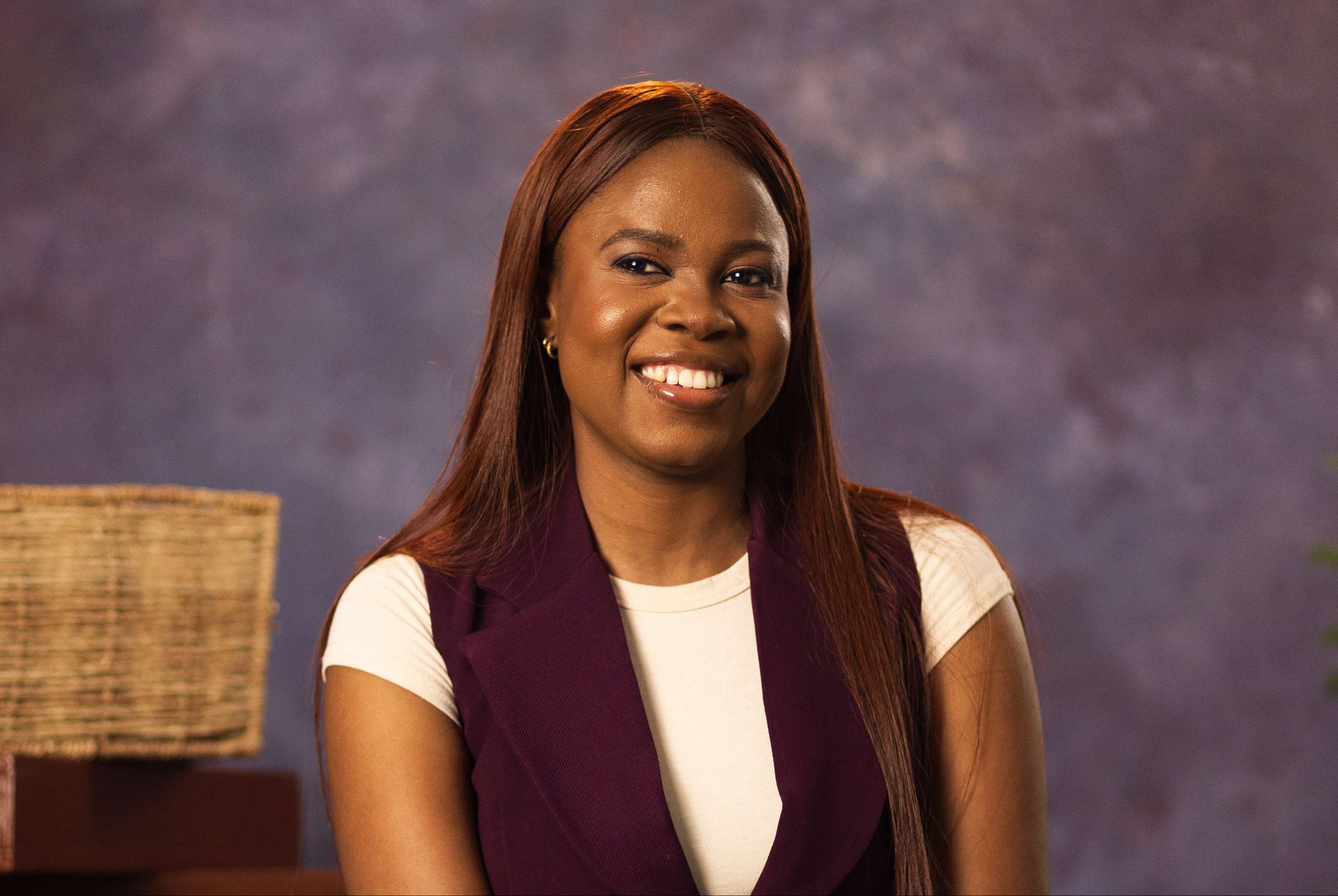
Chizurum Egwunwankwo, a Developer Community Manager at Interswitch who spends her days building relationships with developers and supporting the technology ecosystem. But outside of work, she is doing something equally powerful, helping young women access opportunities, build skills, and prepare for life beyond university.
Through mentorship, financial support, and career guidance, Chizurum and her sister are quietly investing in the next generation of women.
In this quick chat, she shares what inspired her journey, the lessons she has learned along the way, and why small acts of impact can create lasting change.
Q: For those who may not know you, can you tell us a little about your role at Interswitch and the community initiative you’re involved in?
A: My role at Interswitch is Developer Community Manager, which often prompts the question: “So what exactly do you do?”
In simple terms, I help build trust and loyalty with the developers who build with Interswitch products. Through community programs, education, and engagement initiatives, I work to make it as easy as possible for developers to use our APIs and build solutions with them.
Outside of work, my sister and I run a small initiative that provides financial support to young women at universities. This includes helping with tuition, pocket money, and sometimes basic living expenses.
Beyond financial support, we also focus on equipping them with practical skills before graduation. We organize mentorship sessions and structured learning classes, and, when necessary, connect participants with people in our network who can guide them in areas beyond our expertise. Where possible, we also help with job opportunities and recommendations within our professional circles.
At its core, the goal is simple: to help young women leave school better prepared for life and work.
Q: What first inspired you to start giving back in this way? What has been the most challenging part of leading a community-focused initiative?
A: Two things shaped this for me: my mother and a fellowship community I belonged to when I was younger. My mother never needed a formal platform to give back. She did it as a way of life. Whether it was providing food to a family in need, offering shelter to someone going through a
difficult season, or quietly supporting someone financially, generosity was simply part of how she lived.
Growing up around that made giving feel natural rather than extraordinary.
The biggest challenge, however, has been building a structure around something that started purely from passion. My sister and I fund the initiative ourselves, so while we know we’re helping people in meaningful ways, we haven’t always had the systems to track impact or properly measure long-term outcomes.
For example, we know when tuition has been paid or when someone has gotten a job through our recommendation. But we also want to know things like: Are they paying that support forward? Are they thriving in the opportunities they’ve received?
Creating systems to track impact, scale the initiative, and maintain consistent follow-ups is something we’re actively working toward. Passion started it, but structure will help it grow.
Q. Was there a particular moment that made you realise you wanted to create impact beyond your professional role?
A: There wasn’t a single dramatic moment. But I grew up surrounded by women who poured into my life. I have five older sisters who played a huge role in shaping who I became, and I also had a mentor in my late teens and early twenties who guided me deeply, especially in my spiritual life.
When you experience that kind of support, it naturally creates a desire to replicate that same care for others. So, when opportunities appeared to support younger women in similar ways, I leaned into them.
Q: What does leadership look like when you don’t have a corporate title attached to it?
A: To me, leadership without a title is showing up consistently for people, often quietly and without recognition. It’s setting a reminder to call someone who recently lost a parent. It’s checking in on someone who mentioned they were struggling with school results. It’s being present in the different seasons of people’s lives.
Leadership in those moments isn’t about visibility or applause. It’s about humanity, empathy, care, and love at the center of your actions. Sometimes leadership is simply being there when someone needs you.
Q. Can you share a specific story of someone whose life was changed through your initiative?
A: There’s a young woman I met through a friend. Our relationship began when I was helping her improve her writing, which is something I’m very passionate about.
Over time, our conversations expanded beyond writing to include discussions of her life, her interests, and the kind of future she wanted to build. She was eager to learn and very determined to make the most of her opportunities. After exploring different options together, we realized that social media management could be a great career path for her.
I recommended a few courses and taught her some basic design skills using Canva. I also checked in regularly to review her assignments and projects.
Eventually, I connected her to someone in my extended network who needed a social media manager, and she got the job.
The last time we spoke, she was still thriving in the role, receiving glowing feedback from her employer, and even a salary increase.
Moments like that remind me that small acts of support can create life-changing opportunities.
Q. If a young woman reading this feels unsure about her voice or power, what would you say to her?
Your voice matters. We live in a society where women are still often expected to stay quiet or shrink themselves. But every woman’s voice carries something unique.
Even if a conversation has been had a thousand times before, your voice might be the one that finally reaches someone who needs to hear it.
Maybe it’s the young girl in Mushin, or it’s someone in Aba.
But your perspective, your tone, your approach could be the one that sparks change.
So, speak, sis.
Q: Why is it important for women in corporate spaces to give back intentionally?
A: Because representation creates possibility. When women who have navigated corporate spaces choose to share their journeys, mentor others, or support younger women, it sends a powerful message: “This path is possible.”
Sometimes, giving back is simply documenting your story and allowing someone else to see what’s possible for them.
Q. What change would you love to see for the next generation of girls?
A: I would love to see more girls trust themselves earlier in life. It took me a long time to trust my own decisions, especially when they went against popular expectations.
The next generation of girls should grow up knowing that their ideas, perspectives, and instincts are valuable. When women truly trust themselves, it becomes easier to build the futures they want.
Q: What kind of ripple effect are you hoping your work creates?
A: I hope the people who benefit from this support will go on to support other women in their own ways. Real impact multiplies when the people who receive help eventually extend that help to someone else.
If someday someone says, “I started doing this for women because Chizurum showed me how,” that would mean everything.
Q. What is one uncomfortable truth about women’s advancement in Nigeria that we don’t talk about enough?
A: The reality is that the work is far from finished. Many conversations about domestic labour, invisible work, and the barriers women face professionally are dismissed as things we should have moved past.
But we haven’t. Women still face structural and cultural challenges that limit their advancement, both at home and in professional environments.
So, while progress has been made, there is still so much work to be done.
Q. Lastly, tell us about yourself and what you do for fun.
A: At work, I focus on helping Interswitch build meaningful relationships with developers by ensuring they have the tools, support, and resources they need to succeed with our products.
Outside of work, I absolutely love reading. I genuinely think life would feel incomplete without books. And whenever I can, I enjoy spending time laughing and catching up with my sisters.
Chizurum’s story reminds us that impact doesn’t always begin with grand plans or large platforms.
Sometimes, it begins with a conversation, a recommendation, a skill shared, or a door opened for someone else.
Beyond her desk, Chizurum continues to invest in the growth of young women, helping them build confidence, develop practical skills, and access opportunities that shape their future.
Because when women lift others, the ripple effects travel far beyond what we can see.
And in giving, we truly gain

Catch New Updates Instantly
Be the first to know when something new drops. From product launches, exclusive content and important announcements delivered straight to you.
Loading, please wait